Six roles cover most restaurants: Owner, Manager, Staff, Kitchen, Driver and Printer, each seeing only what the job needs — see the Features page for the short version. Here's what the boundary between them is actually for.
What each role can do
- Owner — everything, including billing, payouts and the account itself. There's deliberately only ever a small number of these.
- Manager — day-to-day operations: menu, discounts, settings, reporting, staff invites — but not billing or the account's own security settings.
- Staff — the till: taking, progressing and refunding orders, the access a shift on the floor actually needs.
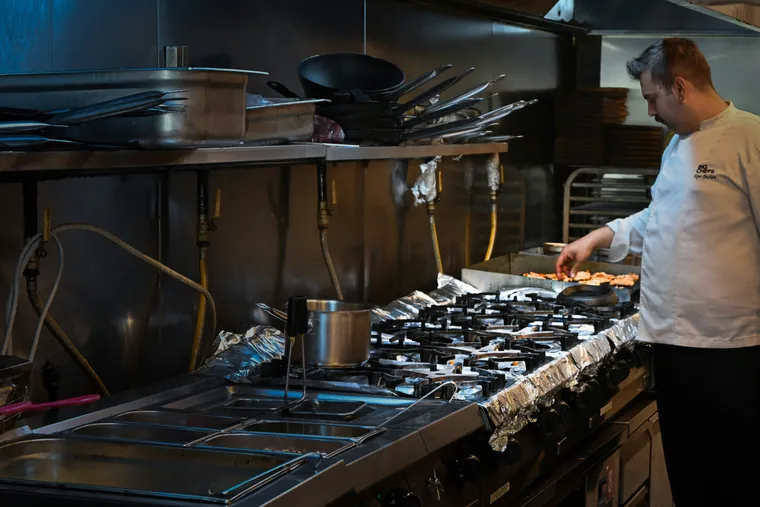
- Kitchen — the station boards, the master pass view and live item availability — nothing outside the kitchen.
- Driver — the driver app: tickets marked ready, turn-by-turn directions, nothing else.
- Printer — a device account for the ticket printer itself, not a login a person ever uses.
Why the boundary matters more than it looks like it should
It's not about distrust — it's about what happens when something goes wrong. A billing change made by an account that shouldn't have had access to billing is a much harder problem to untangle than one made by the Owner, who's supposed to be the only one who can. Every settings change is also logged against the account that made it, which only means something if roles are actually respected.
The temptation to avoid
Giving a trusted long-term staff member Manager access "to make things easier" is understandable and usually fine — giving them Owner access because it's one less invite to think about is the version that causes a genuine problem later, typically around the point someone leaves.
No setup fee, no contract, cancel any time. Nomvo is £69 a month, or £54 a month equivalent billed annually — no commission on any order.