Friday service is where an ordering system either earns its keep or gets in the way. Orders arrive in bursts, not evenly, and three different fulfilment types — pickup, delivery, eat in — can land in the same sixty seconds. Here's what that actually looks like on the kitchen display.
The ticket, not the order
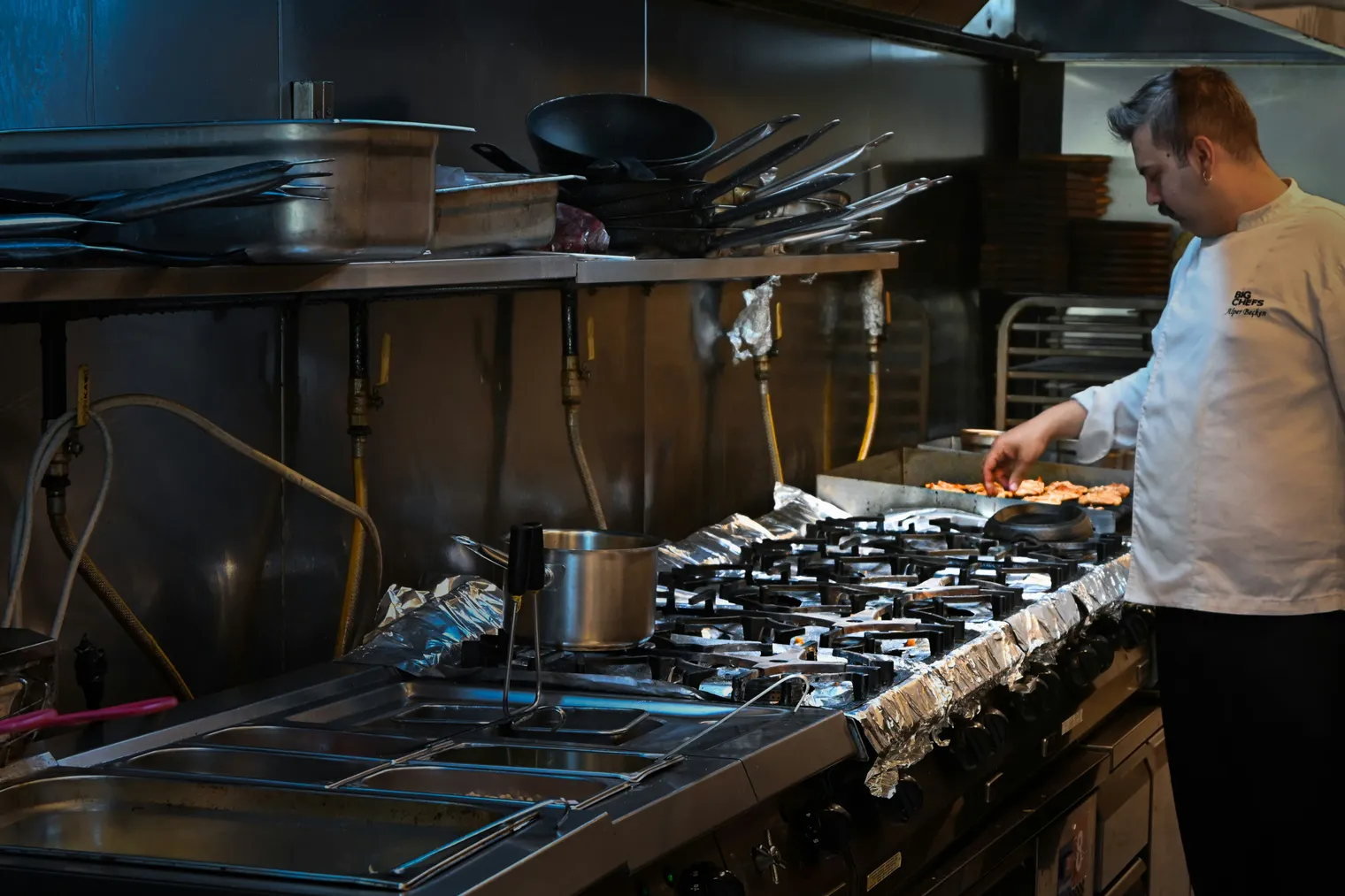
A new order becomes a ticket the moment it's placed, and it goes straight to whichever station cooks it — not to one general queue that someone then has to sort by hand. During a rush, that routing is the difference between a ticket getting missed and a ticket getting cooked in order.
Every ticket also carries a fulfilment-type badge: pickup, delivery or eat in, visible at a glance. It sounds like a small detail until service gets busy enough that a driver is stood at the pass asking which bag is theirs, and the answer is on the screen rather than in someone's memory.
What eat-in tickets look like
A table order shows the table number on the ticket, the same way a delivery ticket shows the drop-off. If a table adds a second round mid-meal, it arrives as its own ticket, tagged to the same table rather than getting silently merged into the first — so nothing gets cooked twice or forgotten because it looked like a duplicate.
Printing still exists, for the moment it's actually needed
Not every station wants a screen, and not every customer wants to wait for a chef to glance up. Printed tickets sit alongside the display for exactly that reason — a physical copy for the pass, or a receipt to hand over — without printing being the only option the way it is in a lot of older systems.
A quiet Tuesday doesn't expose a bad ticket flow. A Friday with pickup, delivery and eat in all landing at once does — that's the shift the display is actually designed around, not the easy nights.
Where the driver picks it up
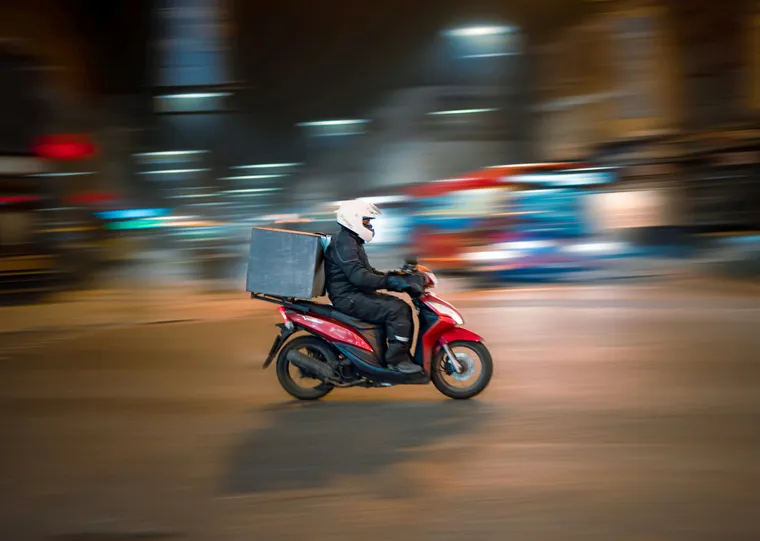
Once a delivery ticket is marked ready, it's visible to your own drivers straight away — no separate app, no phoning a courier dispatcher to say an order's waiting. We go into exactly what that removes from the cost side in how the driver app removes third-party courier fees.
Where it ends up
Every ticket that moves through the kitchen display feeds the same reporting a manager checks at the end of the night — order volume, timing, and VAT handled correctly at item level rather than as a flat guess across the whole basket. The busy Friday that felt chaotic at 8pm reconciles cleanly the next morning.
No setup fee, no contract. Nomvo is £69 a month, or £54 a month equivalent billed annually, and every feature — kitchen display included — is part of the one plan, not an add-on tier.